By Ram Jadhav | CinemaDose
Spoiler warning: this piece discusses the plot and climax of “Unmadham” (2026) in detail.
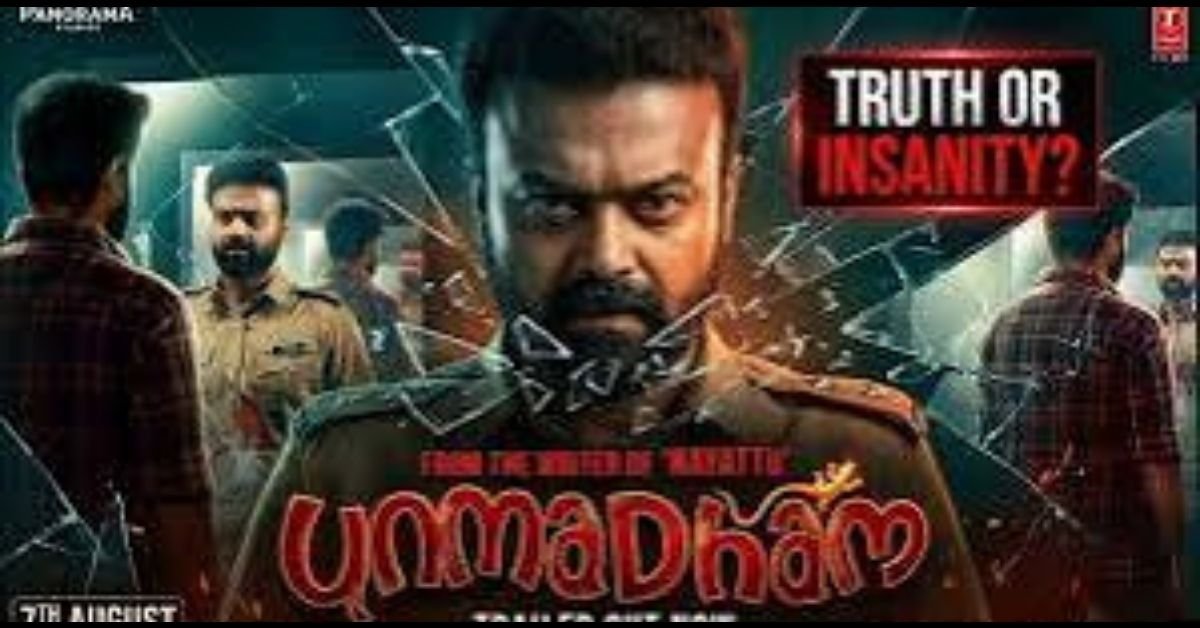
Unmadham Ending Explained Kiran Das’s directorial debut arrived with a strong pedigree Das himself is one of Malayalam cinema’s most respected editors, and the script comes from National Award-winning writer Shahi Kabir, the mind behind “Nayattu” and “Joseph.” With Kunchacko Boban and Lijomol Jose leading, “Unmadham” promised a psychological thriller that would blur the line between a haunted case file and a man’s unraveling mind. If you’ve walked out unsure what the film actually landed on, here’s a breakdown.
The Setup
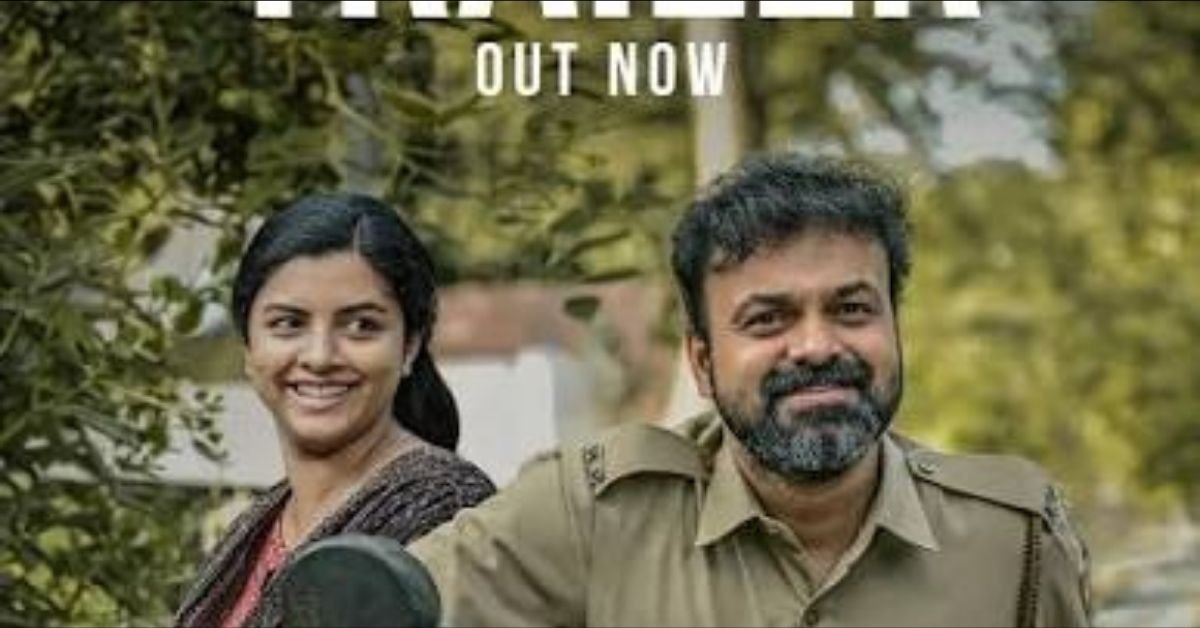
Kunchacko Boban plays Shelly, a police constable who’s grown to resent the job and secretly dreams of becoming a screenwriter. He takes a year off to chase that ambition while his wife Saumya (Lijomol Jose) holds the household together with her factory job. When the screenwriting attempt doesn’t pan out, financial pressure forces Shelly back into uniform — and straight into a punishment transfer that lands him a long-dormant case file rumored to bring bad luck to whoever reopens it.
The Case That Unravels Him
The reopened case involves a woman’s unresolved story, and as Shelly digs into it, the film starts blending procedural investigation with increasingly disturbing, dreamlike sequences — visions that blur the boundary between evidence Shelly is uncovering and something closer to hallucination. The film draws a deliberate parallel early on: it references “Manichitrathazhu” directly, with a scene built around a discussion of that film’s famous choice to explain its climax through the supernatural rather than psychology. It’s the movie all but telling you upfront which direction it’s leaning.
So What Actually Happens at the End
Without walking through every beat, the back half of “Unmadham” increasingly commits to Shelly’s visions as the film’s primary storytelling device the case’s resolution comes through what he experiences and pieces together in these fractured, nightmare-like sequences rather than through conventional police work or a clean, rational explanation. The film leans toward the supernatural reading of events rather than offering a grounded, psychological one, following through on the Manichitrathazhu reference from earlier rather than subverting it.
The climax resolves the central mystery, and Shelly’s arc closes on a quieter, domestic note the final scene between him and Saumya foregrounds their marriage over the case itself, closing the film on the tension between his creative, restless ambitions and her more grounded priorities.
Why the Ending Divides Opinion
This is where “Unmadham” has split reviewers. Some feel the film earns its supernatural leanings by setting them up early and staying committed to that choice rather than backing out with a last-minute rational twist. Others feel the opposite — that after building real intrigue around Shelly’s psychological state, the film takes the easier route by leaning fully into visions and atmosphere rather than following through on the more grounded, character-driven mystery it initially promised. Both readings agree on one thing: the film’s second half asks you to accept ambiguity as the answer, rather than resolving it cleanly one way or the other.
CinemaDose Take Unmadham Ending Explained
What pulls you into “Unmadham” is that the case at the center of it isn’t a simple one. A young woman’s murder gets filed away, but as Shelly starts digging, it becomes clear there isn’t just one killer hiding behind it there are years of buried secrets that come apart slowly, one layer at a time. The real question the film keeps circling back to isn’t just who did it, but why the case was shut down in the first place, and what happens to anyone who tries to reopen it.
That mystery is what carries the film. The opening stretch moves a little slow, but once the investigation properly kicks in, it pulls you in and keeps you guessing right alongside Shelly. What makes him work as a lead isn’t just that he’s a cop it’s that there’s a writer’s instinct underneath the badge, and that shows in how differently he approaches piecing the case together compared to everyone else around him.
If you enjoy mystery-thrillers that ask you to actually connect the clues as the story unfolds rather than hand you easy answers, this one’s worth your time. ★★★☆☆ 3/5 stars from CinemaDose solid, absorbing, and worth the slow start.
Watched it already? Drop your take in the comments did you see the ending coming, or did it catch you off guard too?
Quick Facts
| Detail | Information |
|---|---|
| Director | Kiran Das (directorial debut) |
| Writer | Shahi Kabir |
| Lead Cast | Kunchacko Boban, Lijomol Jose |
| Genre | Psychological Thriller |
| Runtime | 143 minutes |
| Release | August 2026 |
| CinemaDose Rating | 3/5 |
FAQ
Is Unmadham a horror film? Not exactly it’s classified as a psychological/mystery thriller, though its second half leans into supernatural-adjacent visions and atmosphere rather than straightforward horror beats.
Does the film explain whether the supernatural elements are real? The film leans toward accepting the supernatural reading of events rather than grounding everything in a rational explanation, echoing the approach it explicitly references from Manichitrathazhu.
Is Unmadham based on a true story? No, it’s an original screenplay written by Shahi Kabir, though it draws on procedural, case-file storytelling that feels grounded in realism for much of its runtime.
What is the significance of the Manichitrathazhu reference in the film? Early in the film, characters discuss that classic film’s choice to resolve its mystery through the supernatural rather than psychology a moment widely read as the film signaling its own approach to its ending in advance.
Written by Ram Jadhav for CinemaDose — covering Bollywood and South Indian cinema, box office news, and new releases.
